Features
Home printmaking projects: eight ideas and source choices
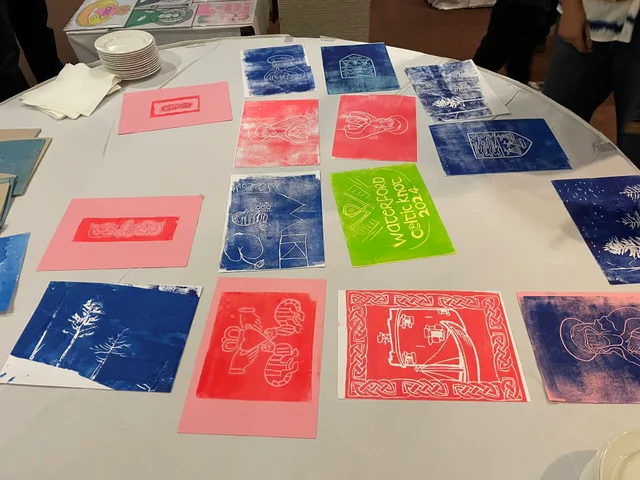
Home printmaking projects built around eight source-based ideas, with practical notes on choosing images and understanding copyright questions.
fotoblend / Pixabay
Print Process Lab
Features
Home printmaking projects built around eight source-based ideas, with practical notes on choosing images and understanding copyright questions.
fotoblend / PixabayOrganize home printmaking projects by keeping the matrix, negatives, proofs, records, and marked archive copy together, then label and review the box.
Home printmaking projects: when to move on from workshops to fixed projects, books and study, with named public image collections and copyright basics.
A bench-first guide to named relief, cyanotype and screen kits, what each one actually contains, and how to judge a printmaking course before you pay.
Building a project record that other people can follow: process sequences, in-progress frames, a project page structure and the notice to put on published images.
Four checks that decide whether a home printmaking project holds up: time split, fault clustering, material shelf life and the rights on every source image.
A three station home printmaking bench layout, paper conditioning the day before, printed reference sheets, and how to design out the harshest cleaners.
A practical guide to printmaking inks and paper: measure ink use, convert paper area, account for rejects, and note U.S. deposit obligations for editions.
Log sunlight minutes and UV index for each anthotype session, turn them into a UV dose, and compare plant pigment prints across weeks and seasons.
Build a repeatable anthotype logbook: coat test strips, score fade against a fixed patch, and compare plant pigments side by side before you coat a full print.
Testing beet, turmeric, berry and petal emulsions against spinach, with fade rates, a one-day test and coating tips for anthotype prints at home.
A first-timer's route through vinyl stencil screen printing on fabric: choosing stencil vinyl, weeding, sticking it to mesh, picking fabric ink and curing it.
Printmaking inks and paper: learn how to judge sizing with a water drop test, test sample packs properly, and tell defined label words from marketing.
A review framework for printmaking inks and papers: which specifications actually differ, what the labels are required to tell you, and what to test yourself.
How to pick surfaces for shared print studio benches, label each bench by purpose and cleaning rule, and handle composite panel formaldehyde risk.
Before you join independent print studios, avoid the common mistakes: assuming a sale transfers rights, misnaming authors, and moving your practice at once.
How independent print studios standardize inks, papers and cleanup, read the labeling rules that carry legal weight, and check used furniture for lead paint.
A practical document kit for independent print studios, with printmaking processes, safety rules, waste records, and emergency-plan requirements.
Canada Council grants for printmaking can cover presses, chemistry and studio rent; here are the programs, budgets and eligibility rules to know.
Cyanotype exposure in Canadian winters shifts by province, from Vancouver rain to Prairie glare, with UV figures, snow multipliers and a table.
Montreal vs Toronto print studios: compare Atelier Circulaire and Open Studio hourly rates, membership fees and press access before you commit.
Canadian print-shipping basics: classification, textile labels, GST/HST, and paperwork. This is not a full US Canada apparel customs labeling tax guide.
Shipping printmaking chemistry to St. John's or northern Manitoba means matching each solvent, ink, and etchant to a carrier that will actually accept it.
Solvent safety home print studio guidance for small spaces, covering ventilation, storage, disposal, renter considerations, and cyanotype UV precautions.
Used printing press market in Canada: local classifieds and studio networks in Halifax, Winnipeg and Saskatoon, plus inspection checks and moving advice.
Before you sign, join or take a commission at independent print studios: who owns the work, the admin hours, membership terms and renewal deadlines.
Printmaking studio safety rules Canada: when WorkSafeBC or Alberta OHS duties start in a home studio, plus ventilation, solvent storage and UV limits.
Six watchlist items for member run print studios, covering waste, insurance, premises, shared equipment, membership economics and rights policy, and review dates.
The anthotype process with spinach juice uses fresh leaves and summer sun to make plant-based photographs, with exposure times and USD costs for US makers.
How to dispose of printmaking chemicals in Canada: household hazardous waste depots, WHMIS labels, ferric chloride handling and what provinces require.
A gelatin plate monoprint recipe in cup measures, using Knox from US grocery stores, with a press-free method and a reusable surface that lasts weeks.
Linocut reduction print step by step: carve one block down through each color, register without a press, and know when a pass is dry enough to overprint.
Oil vs water stones linocut gouges compared for US home carvers: Norton India, water stones and hard Arkansas, with ranges and humid-climate storage.
Where to buy printmaking supplies in Canada without customs fees: the Canadian suppliers in Toronto, Vancouver and Montreal that price in CAD, plus what to check.
Six bench projects that turn printmaking mistakes into filed studio references. Five are printmaking, one is alternative photography. File by format first.
Vinyl stencil screen printing at home needs one screen, a sheet of Oracal and careful burnishing. Here is the step order, the edge test and the fix when ink creeps.
How to wash cyanotype on fabric without stripping the blue: cool water, pH-neutral detergent, a distilled rinse and a peroxide soak for a faded first wash.
Oil vs water based printmaking ink: what changes on the plate, on the paper and in cleanup, with a criteria table and venting notes for home studios.
Printmaking mistakes leave rejects and contaminated materials. Learn what to keep, what to isolate, how to handle spent solvents, and when to discard.
A weekend plan for learning from printmaking mistakes on purpose: two days of deliberate print faults you can label, plus the boundary around chemistry.
Fault-finding tools compared for first-time buyers: loupes, raking lamps, step wedges, moisture meters and pH pens compared for diagnosing print faults.
How to photograph and document printmaking faults: lighting, framing and filing for a fault archive, plus how to present a failed print honestly in teaching.
What causes printmaking mistakes, and why it keeps happening: a working taxonomy of print faults, a diagnostic order that finds the cause quickly.
Use this cyanotype process class checklist to verify chemistry, safety data, wastewater rules, handouts, reference prints, and course format before booking.
A cyanotype process for a one-sink flat: coat, dry, expose and wash with chemical, PPE, ventilation, spill and disposal precautions.
A finished cyanotype print carries paper, film, chemistry, failures and framing. Here is where the money goes and when a reproduction is cheaper.
The buying order for a first cyanotype setup, why premixed chemistry beats raw powders at the start, and the equipment not to buy at any stage.
A practical cyanotype process guide: making digital negatives, toning with tannins, and signing and numbering a limited edition, with the U.S. copyright rules.
How the cyanotype process works: the iron chemistry that makes the blue, and the safety and waste rules that actually apply in a home studio.
The core kit for beginner printing presses, from blankets and packing card to feeler gauges, plus the setup checks that keep impressions even.
Beginner kit for fitting out a printmaking workspace in 2027: the equipment a print room needs before any hand tools arrive, drying, containment, washing.
Realistic plan for printmaking workspaces in 2027: how to lay out a print room in a normal house, wet and dry zones, air movement, drying capacity, floors.
Small-space setup for linocut projects: how to carve, ink and print relief blocks on a table you also eat at, including the pack-down routine and the eye protection.
Home printmaking in 2027 means sorting genuine studio upgrades from market noise, then carving, proofing and drying a small edition on a press.
A weekend plan for emptying, grouping, testing and labeling printmaking supplies, ending with a swatch book and a disposal decision for every container.
A practical breakdown of what a printmaking press costs to buy, move, site and run, with figures for rigging, blankets, servicing, ink, paper and studio time.
The habits that damage a studio press or its owner: leaving it under load, adjusting while it moves, and getting used to solvent fumes at the bench.
Choosing and arranging the surfaces around a press: the stand it sits on, the feed and receive tables, and the clean bench a damp sheet needs.
Best work surfaces for a printmaking workspace: comparing bench tops for a print room on solvent resistance, flatness, repairability and cost.
The four press families a beginner actually chooses between, the five specifications that decide fit, and how to judge guarding on a secondhand machine.
Relief printing and cyanotype fit an ordinary home; etching, dichromate processes and sprays need a ventilated shop. Read the safety data sheet first.
Gouges, brayers, barens and bench hooks compared on the details that matter to a first-time buyer, with the marketing claims that mean nothing.
How independent relief printmakers choose projects, build a recognizable body of work, and handle the naming and rights questions that come with selling.
How to choose materials: choosing blankets, packing, plates and papers for a studio press, plus the lead and solvent hazards that arrive with secondhand letterpress.
How to choose: choosing floor seals, shelving, containment and consumables for a print room, plus how to read waste rules and green marketing claims accurately.
A copy photography setup for prints made at home, plus how to hinge, mat, caption and number an edition so the record outlives the print itself.
Photograph printmaking supplies for inventory and sale listings with repeatable lighting, labeled swatches, honest condition shots, and organized files.
A 20 print linocut edition priced line by line, with materials per copy, burn rate tracking in grams and sheets, and a price test for supply bundles and free gifts.
Home printmaking storage: caring for paper, enclosures, ink, blocks, tools, solvents, and finished prints in a household studio.
A practical routine for printmaking supplies: mark received and opened dates, rotate older stock forward, store film flat, and keep spent baths separate.
A checklist for a linocut class or open-access studio: induction, safety, waste handling, tutor questions, and where your linocut project ideas fit.
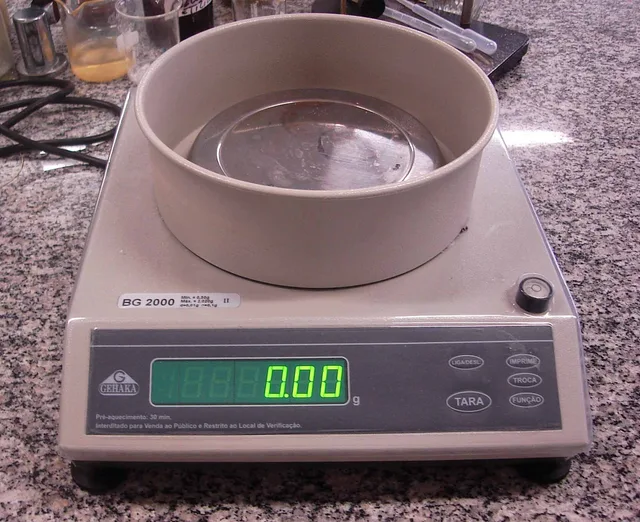
Scales and timers compared for printmaking: which named models suit first-time buyers, what each measures, and where the money is best spent.
The changes experienced printmakers say they made after their first year in a room, from waste routines to the shelf they wish they had never built.
Printmaking workspaces are easier to use when power stays out of wet zones, paper stays off cold walls, and a water-damage plan is ready.
Six one-variable exercises for home printmaking, each changing one thing at a time, with a recording method and a schedule for repeating them.
Six short projects that each build one material handling skill, from mixing to a target color to sizing paper and degreasing a screen properly.
Eleven linocut projects chosen because each one teaches a different thing, from reduction color to repeat pattern, bound zines and exchange prints.
An honest review of printmaking supplies covers named relief, screen and cyanotype materials, what each is for, and where the money goes in a working studio.
A buying order for relief printing, what a starter kit leaves out, and how to read sale pricing and tool condition claims without overpaying.
Industry
Four checks that decide whether a home printmaking project holds up: time split, fault clustering, material shelf life and the rights on every source image.
Reviews
A review framework for printmaking inks and papers: which specifications actually differ, what the labels are required to tell you, and what to test yourself.
Costs
Canada Council grants for printmaking can cover presses, chemistry and studio rent; here are the programs, budgets and eligibility rules to know.
Guides
Cyanotype exposure in Canadian winters shifts by province, from Vancouver rain to Prairie glare, with UV figures, snow multipliers and a table.
Costs
Montreal vs Toronto print studios: compare Atelier Circulaire and Open Studio hourly rates, membership fees and press access before you commit.
Guides
Shipping printmaking chemistry to St. John's or northern Manitoba means matching each solvent, ink, and etchant to a carrier that will actually accept it.
Features
Home printmaking projects built around eight source-based ideas, with practical notes on choosing images and understanding copyright questions.
Reviews
Organize home printmaking projects by keeping the matrix, negatives, proofs, records, and marked archive copy together, then label and review the box.
Guides
Home printmaking projects: when to move on from workshops to fixed projects, books and study, with named public image collections and copyright basics.
Reviews
A bench-first guide to named relief, cyanotype and screen kits, what each one actually contains, and how to judge a printmaking course before you pay.