Guides
Part of Why do printmaking mistakes keep happening, and how do you find the cause?
Lighting and filing printmaking mistakes for an honest fault archive
How to photograph and document printmaking faults: lighting, framing and filing for a fault archive, plus how to present a failed print honestly in teaching.
What to take away
- Raking light shows relief faults. Flat light shows tonal faults. You need both frames, not a compromise between them.
- Photograph the fault next to the good print. A defect is only legible against what it should have been.
- Decide what each image is for before you shoot it. A record image and a listing image have different jobs.
- Rate faults by how much they cost you, not by how ugly they look.
Two lighting setups, not one
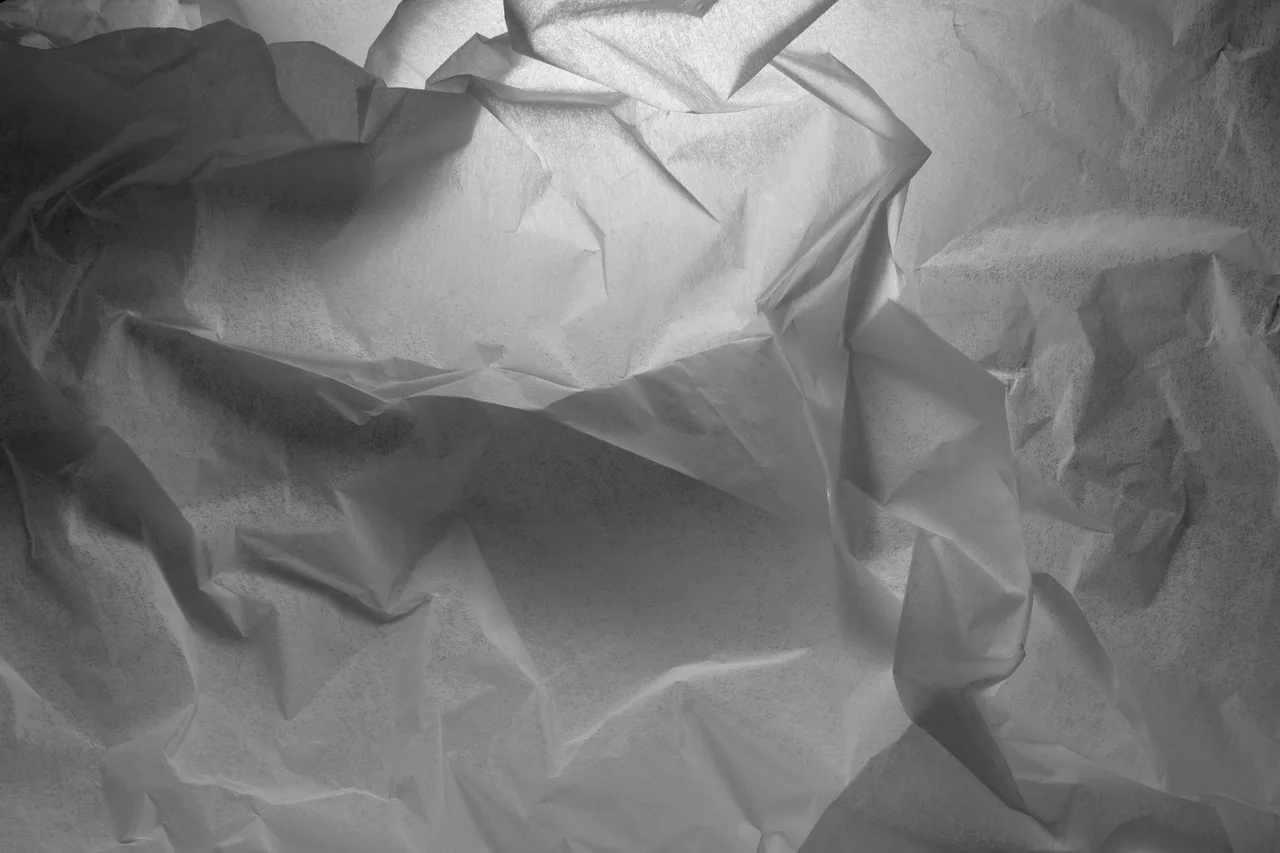
For embossing, cockling, uneven pressure and paper texture, use a single light low and to one side, almost grazing the sheet. Shadows do the describing. Turn off everything else in the room.
For fill-in, ink density, ghosting and color shifts, use the flat two-light copy setup with a gray card in a reference frame. Anything that describes tone needs even illumination and a known white point.
Shoot both, every time, and keep both. It costs two minutes and removes an entire category of argument with your future self.
Frame the comparison
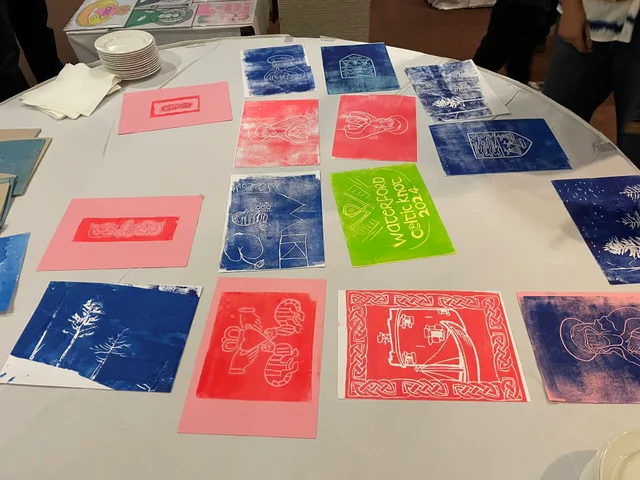
A photograph of a bad print alone is close to useless. Put the reject next to a correct pull from the same block, in the same frame, with a small ruler along one edge. Anyone looking at it, including you, then has a reference for scale and for what was supposed to happen.
For very fine faults, add a detail frame. A close crop at a known magnification with the ruler still visible tells you whether a line closed by a fraction of a millimeter or by half of one.
Decide what each image is for
Institutions are precise about this. The National Archives describes its product types as the different deliverables its preservation labs generate in response to requests, covering both digital files and physical media. The point is that a deliverable is defined before it is made.
A studio needs three defined products: a record image for the fault archive, a comparison image for teaching or for asking someone else, and a listing image if the print is going to be sold as a second. Each has different requirements, and trying to make one image serve all three produces a file that serves none.
Rate and file the archive
Build the archive so you can search it by cause rather than by date. Fields worth having: fault name, family, process, paper, ink, date, and a severity rating.
Severity should reflect cost. A fault that ruins one sheet is not the same as one that ruins an edition. The National Archives built its digital preservation framework to document and share recommended preservation actions based on its holdings and its actual capabilities, and the useful idea to borrow is that a documented, shared basis for action beats case-by-case judgment.
| Rating | Meaning | Response |
|---|---|---|
| Low | One sheet lost | Note and continue |
| Medium | Session compromised | Stop and diagnose |
| High | Edition or plate at risk | Stop, log, change the process |
Presenting a failed print honestly
Prints with visible faults can be sold as seconds, given away or used in teaching, and all three require the same honesty: show the fault in the photograph, name it in the description, and price accordingly.
Our taxonomy of print faults gives you the vocabulary for those descriptions, and our guide to copy photography and captioning covers the flat lighting setup in more detail.