Guides
Home Printmaking Guide: Which Processes Fit a Home Studio
Relief printing and cyanotype fit an ordinary home; etching, dichromate processes and sprays need a ventilated shop. Read the safety data sheet first.
What to take away
- Relief printing and cyanotype are the two families that fit an ordinary home with the least equipment and the least risk.
- Acid etching, dichromate processes such as gum bichromate and carbon printing, and anything sprayed belong in a shop with mechanical exhaust.
- Read the safety data sheet before the tutorial. It says what protection the material needs; the tutorial usually does not.
- Buy paper and ink before a press. Pressure is the last problem a beginner actually has.
What a house can support
A home studio is not a small professional shop. It is a room with a domestic sink, no fume hood, and people who eat in it. That settles most questions before taste enters.
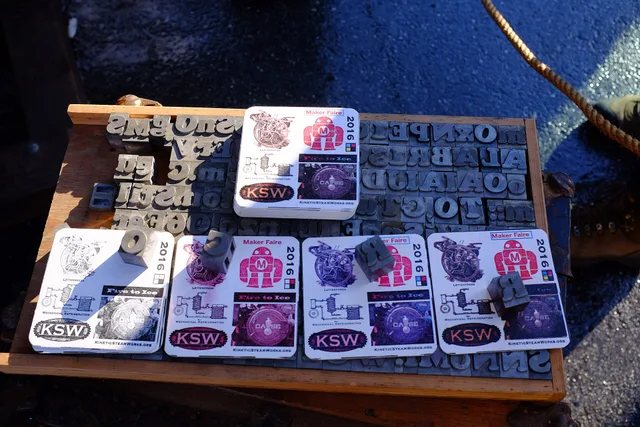
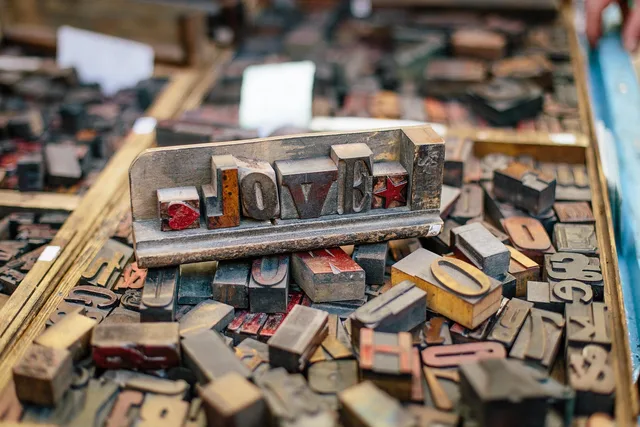
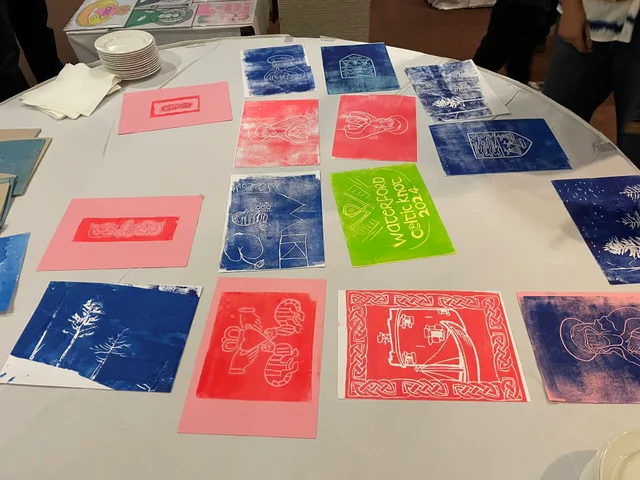
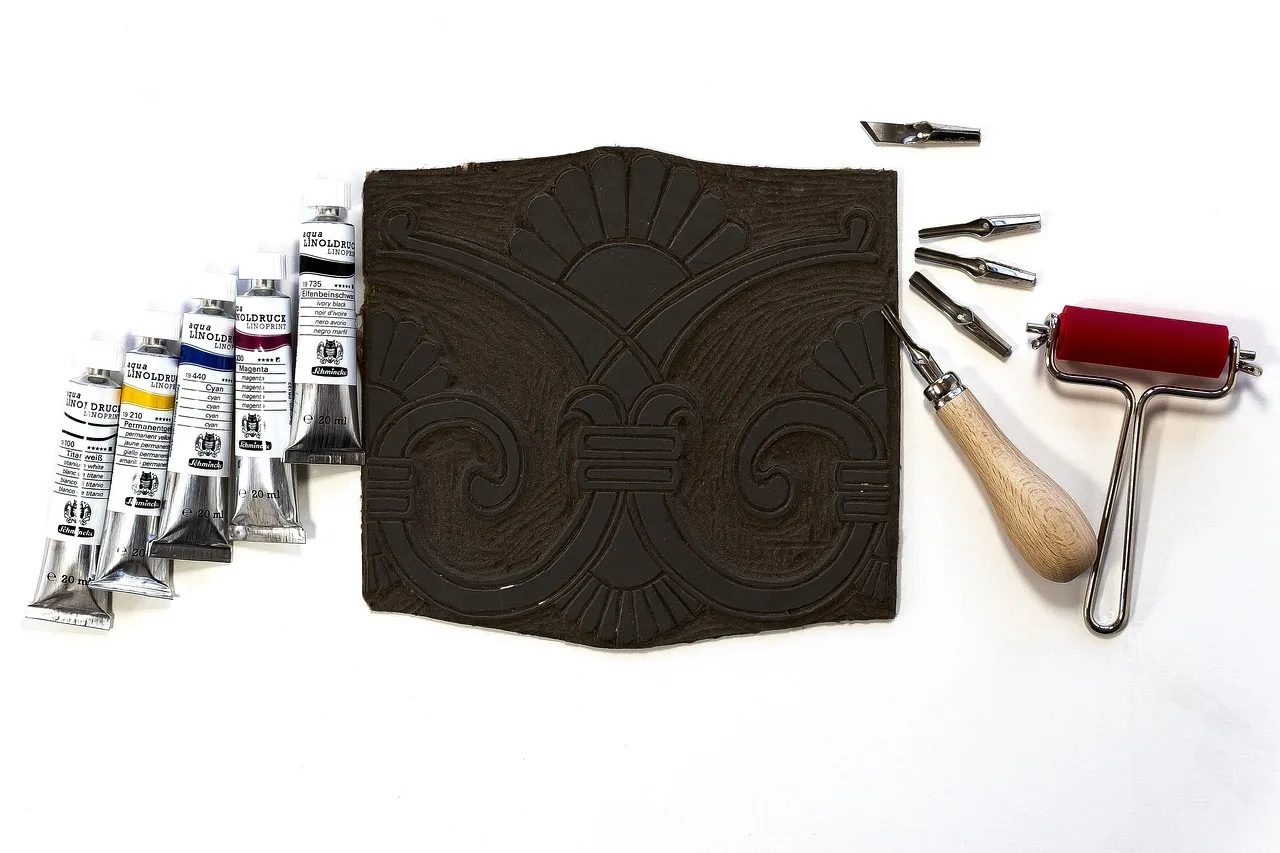
Relief printing fits easily. A linoleum block, a brayer, ink, a baren and paper make a finished print on a kitchen table. Water-based ink washes off with soap and water; oil-based ink comes off with vegetable oil first, then soap.
Cyanotype fits as well, with more care. A coated sheet dries in dim light, sits under a negative in ultraviolet light, then washes in plain water. No enlarger is needed, only shade while the coating dries.
Screen printing sits on the boundary. Water-based ink and photopolymer emulsion work at home only if you can wash a screen away from the sink you cook at.
What does not belong in a house
- Acid etching of copper or zinc. Nitric baths release nitrogen dioxide during the bite, which calls for mechanical exhaust, not an open window.
- Dichromate processes. Gum bichromate, carbon and carbro printing use hexavalent chromium salts, a class serious enough that federal workplace rules give it a dedicated standard at 29 CFR 1910.1026, covering exposure limits, protective clothing and hygiene areas.
- Rosin aquatint boxes, which put respirable dust in the air by design.
- Spray adhesives, spray shellac and aerosol fixatives used indoors.
None of it is off limits forever. It belongs on a rented bench where extraction exists.
Read the sheet before the tutorial
Chemical products sold into workplace channels carry a safety data sheet in a fixed sixteen-section order. Section 2 gives the hazard classification, section 8 protective equipment, section 13 disposal. Read those three before buying, and never swap a chemical because a video called it equivalent. Potassium ferricyanide and potassium cyanide are not variants of one another.
A first-year sequence that works
| Stage | Process | What it teaches |
|---|---|---|
| Months 1 to 3 | Relief on linoleum | Cutting, inking, even pressure |
| Months 3 to 6 | Cyanotype on paper | Exposure, contact, washing |
| Months 6 to 9 | Multi-block relief | Registration and edition control |
| Months 9 to 12 | Water-based screen | Stencils, squeegee angle, drying space |
Each stage adds one variable instead of a room full of them. A realistic plan for the space is worth drafting in stage one, because drying racks and flat storage limit output long before skill does.
Historic processes are worth knowing even if you never print them. The National Archives lists the photographic processes in its still picture holdings, from daguerreotypes and wet-collodion glass plates through albumen, platinum and cyanotype. Seeing where cyanotype sits in that line makes its limits easier to accept.
Where the money should go first
Spend on paper first: a good sheet forgives a mediocre print, and no press can rescue cheap paper. Spend next on ink, then a brayer wide enough for your block.
Our comparison of first tools covers the cheap and durable version of each. A press comes later because hand burnishing produces publishable prints, and an early press locks you into one format.
Common questions
Is cyanotype safe for a kitchen table?
Do I need a darkroom?
Can rinse water go down the drain?
Should I start with wood or linoleum?
In this guide
- Home printmaking documentation: photographing, mounting, captioning and numbering an editionA copy photography setup for prints made at home, plus how to hinge, mat, caption and number an edition so the record outlives the print itself.
- Home printmaking, tested against experienceGouges, brayers, barens and bench hooks compared on the details that matter to a first-time buyer, with the marketing claims that mean nothing.
- Home printmaking: signal versus noise as of 2027Home printmaking in 2027 means sorting genuine studio upgrades from market noise, then carving, proofing and drying a small edition on a press.
- Home printmaking: storing materials and printsHome printmaking storage: caring for paper, enclosures, ink, blocks, tools, solvents, and finished prints in a household studio.
- Six printmaking exercises that each test one variable at homeSix one-variable exercises for home printmaking, each changing one thing at a time, with a recording method and a schedule for repeating them.