Features
The linocut shortlist: projects worth cutting before you buy more gear
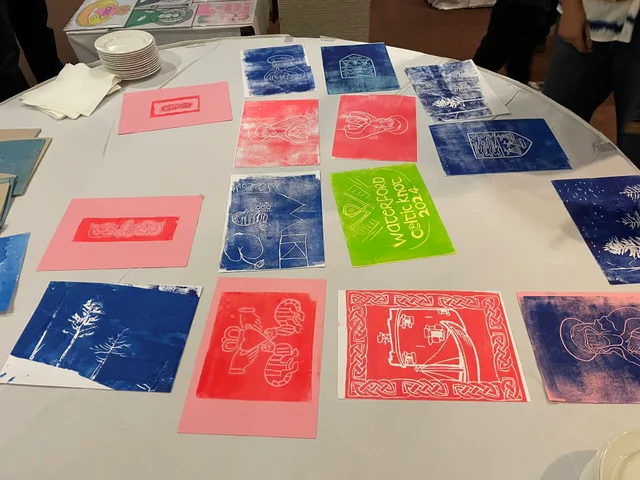
Eleven linocut projects chosen because each one teaches a different thing, from reduction color to repeat pattern, bound zines and exchange prints.
What to take away
- Pick a project for what it teaches, not for how the finished thing looks in a photograph.
- Reduction printing is the fastest way to learn color, and the least forgiving. Do it third, not first.
- A project built around an existing photograph or drawing raises a rights question before it raises a technical one.
- Small and repeatable beats large and ambitious for the first year.
Eleven projects, each with a different lesson
- Two-color reduction on one block.Print the light color across the edition, cut away, print the dark. Teaches sequencing and why you cannot go back.
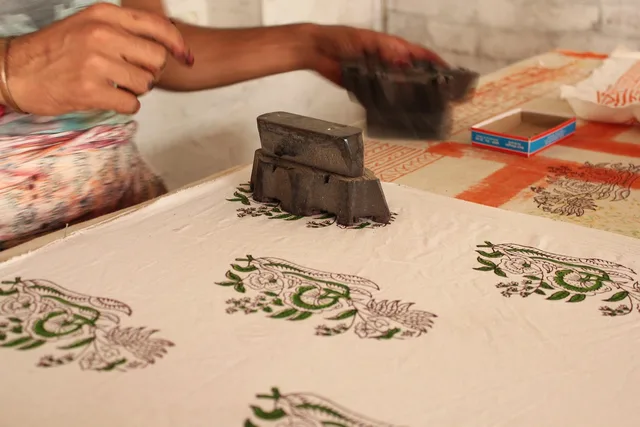
- A repeat pattern tile.A block that meets itself on all four edges. Teaches registration tolerance more sharply than any exercise.
- A bookplate.Small, text-heavy, cut in reverse. Teaches lettering and patience in equal measure.
- A hand-bound zine from four small blocks.Teaches sequence, paper grain and folding.
- A key block portrait with one shadow block.Teaches how little information a face actually needs.
- A white-line print inked in sections.One block, watercolor applied area by area, printed by hand. Teaches control of moisture.
- Six postcards, one block, six papers.Teaches how much of a print is decided by the sheet.
- A floor-printed large block.Too big for a press, printed by standing on a board. Teaches even pressure the hard way.
- A set of marks rather than images.Twenty small blocks, each one gesture. Teaches vocabulary.
- A print from a found texture.Take a rubbing, translate it to a block. Teaches abstraction from observation.
- An exchange print at a fixed size.Made to somebody else's specification. Teaches edition discipline.
The bound projects need different handling
Projects three, four, and eleven end up as objects on a shelf, and they age differently from loose prints. The National Archives guidance on caring for bound materials is a useful reference.
Support a volume so its spine does not over-flex, and store it upright or flat on a shelf deep enough to hold the whole surface. Dust with the covers held closed, and never force a volume open beyond its natural flex.
That last point changes how you design a zine. A sewn binding that opens flat is kinder to a print than a stiff glued spine that has to be forced.
Before you cut somebody else's image
Projects five and ten often start from a photograph. If the photograph is not yours, the question is not whether a cut block translation counts as new work.
The relevant law lists the exclusive rights of a copyright owner, including reproducing the work and preparing derivative works based on it. A carved version of a protected photograph engages both.
The workable paths are simple: use your own photograph, use a source clearly out of copyright, or ask. None of that limits the project, and all three keep the print sellable later.
Choosing which to start with
Start with
- No press
- Postcards, marks, bookplate
- Two hours a week
- Marks, bookplate
- A small room
- Postcards, pattern tile
- Impatience
- Found texture
Skip for now
- No press
- Reduction, large block
- Two hours a week
- Zine, exchange print
- A small room
- Floor-printed block
- Impatience
- White-line print
Our guide to what to buy first sizes tools against these projects rather than against a general list, and the small-space setup shows which of the eleven fit a table that also gets used for dinner.
Common questions
How large can a hand-printed block be?
Is soft-cut rubber cheating?
How many colors before it gets difficult?
Should the edition be numbered?
In this guide
- 5 lessons worth learning about linocut project ideasHow independent relief printmakers choose projects, build a recognizable body of work, and handle the naming and rights questions that come with selling.
- Get the linocut buying order right before your first cut in 2027A buying order for relief printing, what a starter kit leaves out, and how to read sale pricing and tool condition claims without overpaying.
- Pricing linocut prints: cost per copy and how to read supply bundlesA 20 print linocut edition priced line by line, with materials per copy, burn rate tracking in grams and sheets, and a price test for supply bundles and free gifts.
- Carving out room for a linocut project on a shared tableSmall-space setup for linocut projects: how to carve, ink and print relief blocks on a table you also eat at, including the pack-down routine and the eye protection.
- Judging a linocut class: where project ideas fitA checklist for a linocut class or open-access studio: induction, safety, waste handling, tutor questions, and where your linocut project ideas fit.