Reviews
Part of Beginner printing presses: first principles
Printing press materials: blankets, plates and paper explained
How to choose materials: choosing blankets, packing, plates and papers for a studio press, plus the lead and solvent hazards that arrive with secondhand letterpress.
What to take away
- Blanket choice changes impression more than pressure adjustment does.
- Match plate material to the pressure the press can deliver, not to the image you want.
- Secondhand letterpress equipment often arrives with lead type, and lead is handled with hygiene rules rather than gloves alone.
- Solvent-based cleaners used at a press are ignitable materials with real storage consequences.
Blankets and packing
Wool felt for an etching press comes in a graded set. A typical three-blanket set runs from about 1/16 in to 1/4 in thick.
The sizing catcher sits against the plate and takes ink and moisture, the cushion absorbs relief, and the pusher on top spreads force evenly. Using the wrong order flattens detail and shortens the life of the expensive layer.
For relief work on a geared press, a single firm blanket usually beats a full set, because a soft stack pushes paper into the cut areas and produces an unwanted embossed look.
Packing on a cylinder or platen press is a stack of card and paper adjusted in small increments, typically two to five thousandths of an inch (0.002 in to 0.005 in) at a time. Keep the sheets flat, labeled by thickness, and replace them once they show impression marks.
Plate and block materials
Suits
- Copper
- Fine intaglio
- Zinc
- General intaglio
- Aluminum
- Drypoint and collagraph
- Acrylic sheet
- Drypoint, monotype
- Linoleum
- Relief on any press
Watch for
- Copper
- Cost, and etching chemistry
- Zinc
- Softer, wears faster
- Aluminum
- Marks easily under pressure
- Acrylic sheet
- Cracks under high pressure
- Linoleum
- Cold makes it brittle
Match the material to the machine. An acrylic plate that survives a tabletop press can crack in a heavy geared press set for intaglio pressure.
As a typical range, a starter set of etching felts or a single relief blanket costs about 50 to 200 US dollars. Individual plates run from a few dollars to about 40.
Paper
Paper weight is given in grams per square meter (gsm). Printmaking sheets typically run from about 200 gsm to 350 gsm, heavier for relief and lighter, softer for intaglio.
Sizing controls how the sheet takes ink and water. Most intaglio papers are internally sized and dampened before printing, so the fibers stay soft enough to press into the lines. Relief papers can be sized lightly or not at all, and unsized Japanese sheets blot ink quickly.
Surface matters as much as weight. A soft, absorbent surface holds an intaglio impression. Relief printing presses the paper against the block directly, so a harder or textured sheet shows the cut edge more clearly.
The lead that comes with old equipment
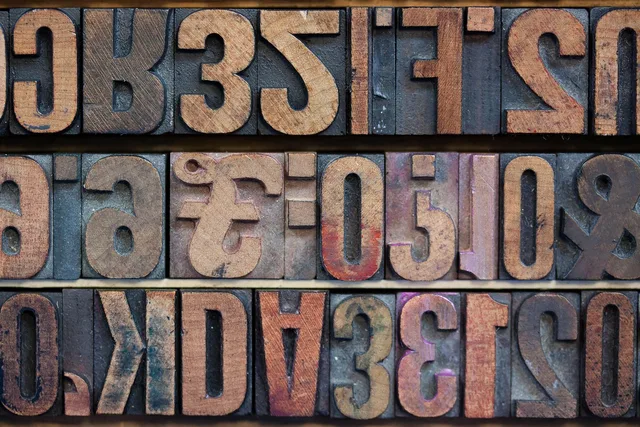
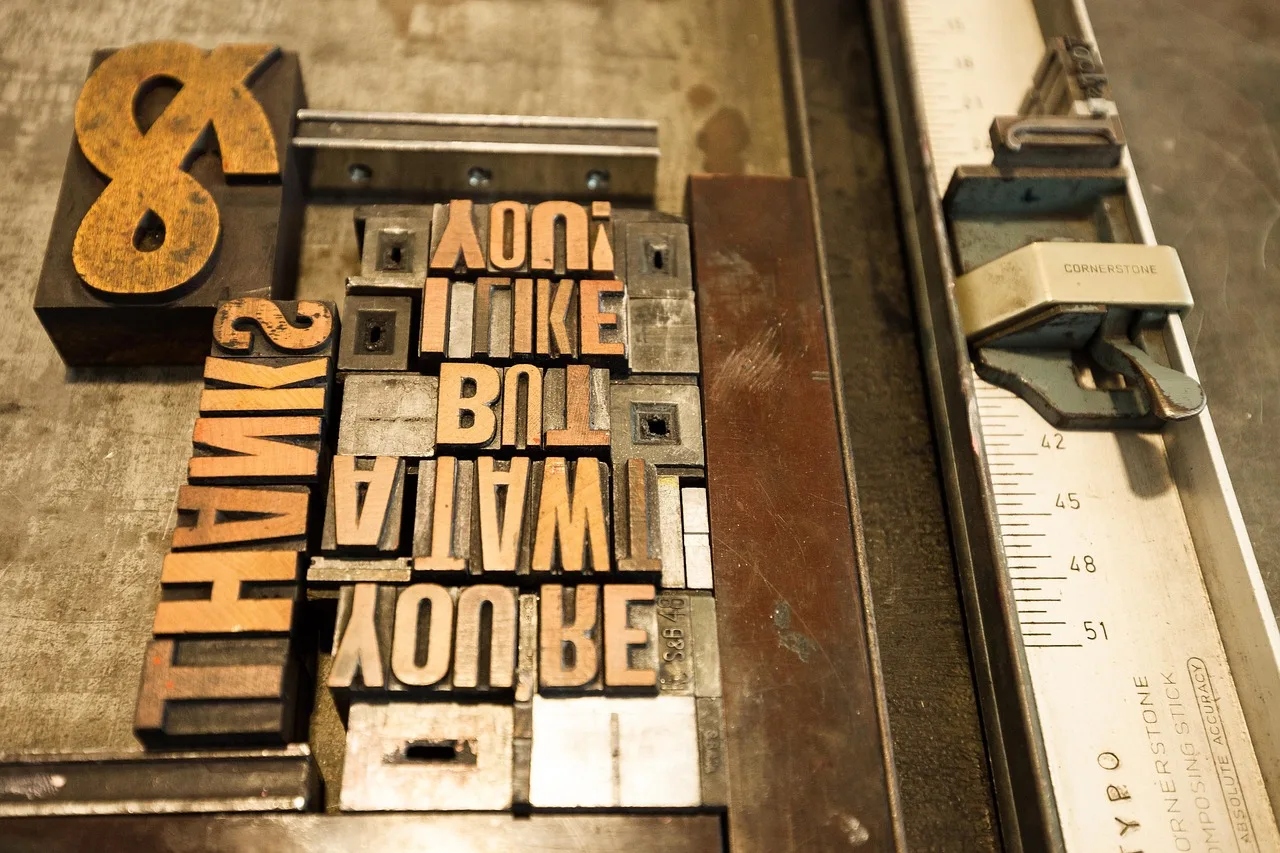
A secondhand cylinder proof press frequently arrives with type, furniture and spacing material, and traditional type metal is a lead alloy.
Occupational rules treat lead seriously: the lead standard sets an action level based on airborne concentration averaged over eight hours and builds a program of hygiene, housekeeping and monitoring around exposure. The standard is 29 CFR 1910.1025, and the action level is 50 micrograms of lead per cubic meter of air averaged over eight hours.
A home studio does not run a lead program, but simple hygiene rules matter. Do not eat, drink, or smoke where type is handled. Wash hands before those activities.
Do not dry sweep type cases; wipe them with a damp cloth. Keep children away from type storage entirely. If you will not follow these habits, buy a press without type.
Solvents at the press
Plate and roller cleaners are frequently ignitable, and that has a precise meaning. A liquid waste with a flash point below sixty degrees Celsius meets the federal characteristic of ignitability, which is one of the tests that decides how a discarded material has to be handled.
The Resource Conservation and Recovery Act codes that characteristic D001 at 40 CFR 261.21. The Department of Transportation sets its own flammable liquid line at 49 CFR 173.120.
The practical result is to pick a low-volatility cleaner. Common choices are low-aromatic petroleum washes sold as California wash, soy methyl ester solvents sold as SoySolv, and plain vegetable oil followed by soap and water. Keep quantities small, store containers closed, and never leave a solvent tray open beside a press.
Our press comparison guide covers the machine itself, and our kit list for running a press covers what to buy alongside these materials.