Maintenance
Part of Beginner printing presses: first principles
Habits that quietly wreck a beginner printing press
The habits that damage a studio press or its owner: leaving it under load, adjusting while it moves, and getting used to solvent fumes at the bench.
What to take away
- Never leave a press under pressure between sessions. Flat spots on a roller are permanent.
- Isolate any motorized press before adjusting it. Unexpected start up is the specific hazard the rules were written for.
- A smell you stopped noticing is not evidence that the air is clean.
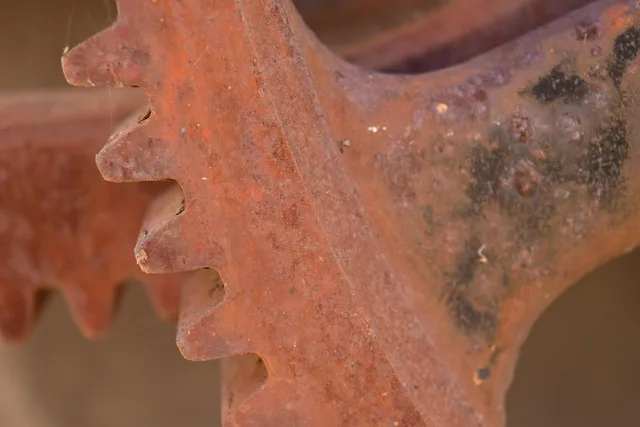
- Damp blankets left in place will mark a bed with rust in a single humid week.
Leaving the press under load
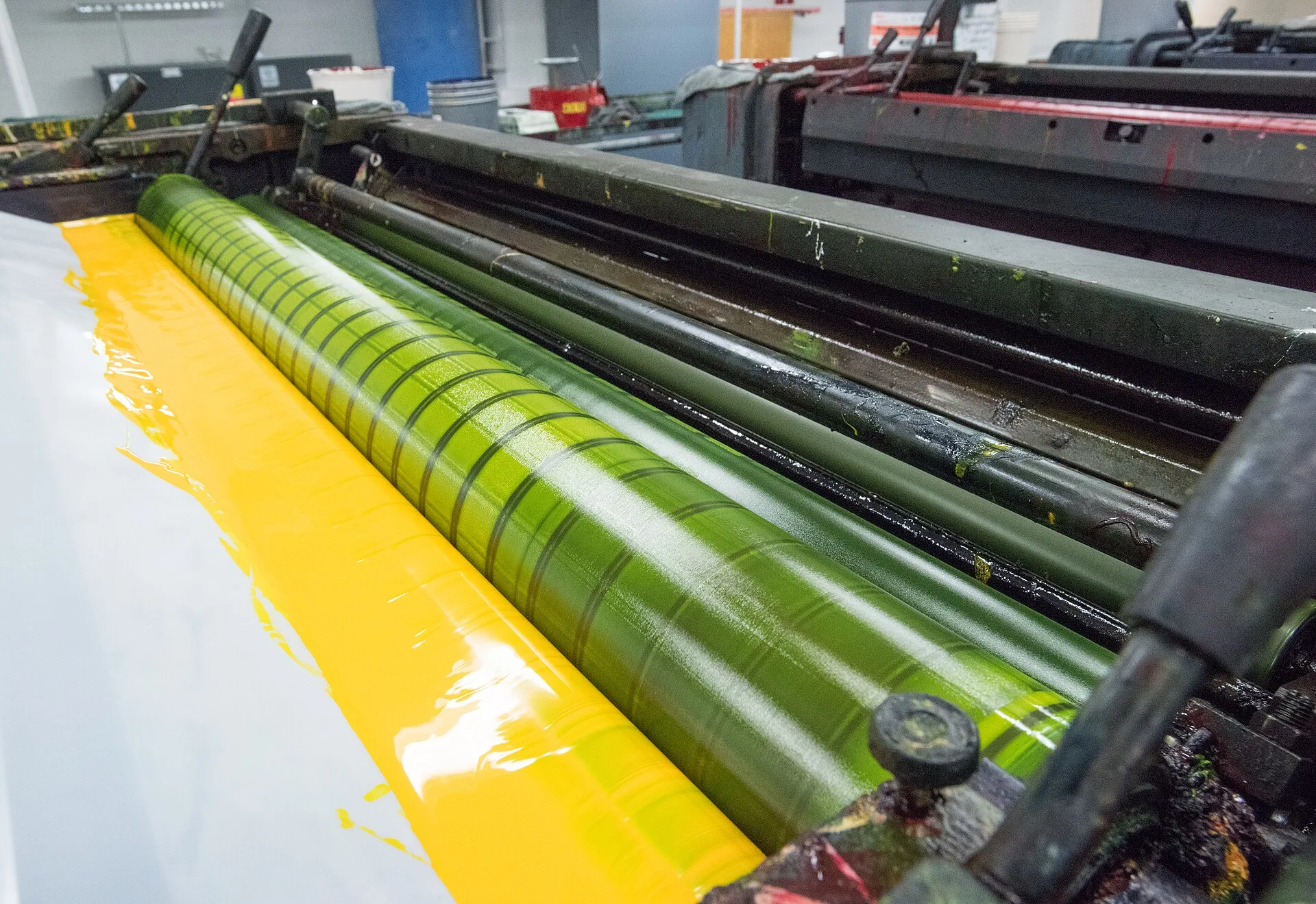
The most expensive beginner habit is winding pressure on, printing, and walking away. A roller left compressed against a bed develops a flat that shows up as a band of weak impression across every subsequent print, and no adjustment removes it.
Back the pressure off at the end of every session. It takes ten seconds and it is the single maintenance habit that most affects the life of the machine.
The same applies to blankets. Leave them draped rather than compressed, and never leave them damp between the roller and the bed, where they will hold moisture against steel.
Adjusting a machine that can move
Manual presses only move when you turn the wheel, which makes them forgiving. Motorized presses and powered wash-out equipment are different, and the relevant standard is explicit about why. The rules on the control of hazardous energy cover servicing and maintenance where unexpected energization, start up, or the release of stored energy could cause injury.
At home that means one habit: unplug it. Not switch it off, unplug it, and keep the plug where you can see it while your hands are in the machine. Stored energy counts too, so release any spring or counterweight tension before you start.
Getting used to the fumes
Solvent tolerance is a perception problem, not a safety improvement. Occupational limits exist precisely because the nose is unreliable, and the tables of permissible exposure limits for air contaminants set numerical limits per substance rather than leaving the judgment to whoever is in the room.
Home studios rarely approach those figures, but the habit that follows is worth having: if you can smell solvent for more than a moment, open the window and reduce the amount you are using. Switching to a less volatile cleaner solves the problem permanently.
The smaller errors that cost money
| Mistake | Result |
|---|---|
| Running the bed off the end of the rollers | Bent bed edge, permanent |
| Wiping the bed with a solvent that strips oil | Surface rust within days |
| Storing plates on the bed | Impressions and corrosion marks |
| Adjusting one pressure screw only | Roller out of parallel, uneven print |
| Ignoring a new noise | A cheap repair becomes an expensive one |
Building a maintenance habit instead
Ten minutes at the end of each session: back off pressure, wipe the bed and oil it lightly, hang the blankets, clean the rollers, log the settings you used.
Once a year, check bed flatness, roller parallelism and bearing play, and note the results. Our comparison of press types covers the checks in more detail, and our layout plan for a print room explains the clearance a press needs so that none of this becomes awkward.
Write the settings on a card taped to the press rather than in a notebook kept somewhere else. A record you have to fetch is a record you will stop keeping by about the third session.