Reviews
Part of Tracking what a member-run print studio needs heading into 2027
Beyond the press: paperwork a new shared print studio actually needs
What a shared print studio needs beyond equipment: written plans, signage, induction records, first aid and the documents that make a space usable by others.
What to take away
- A studio used by more than one person needs documents as much as it needs tools.
- Write the emergency plan down. Verbal instructions do not survive a real incident.
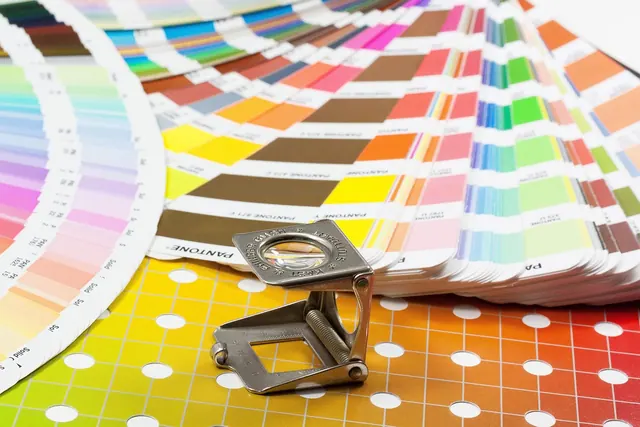
- Use a consistent color scheme for hazard marking so that meaning does not depend on who made the label.
- Induction records protect the studio and the member equally.
The document kit
- House rules, one page, on the wall. What is allowed, what is not, and who decides.
- Process list, naming which processes the studio supports and which it explicitly does not.
- Induction record, signed and dated, per member, per process.
- Maintenance log, per machine, with the date and the person.
- Waste register, naming each stream, its container and its route out.
- Emergency plan, posted where it can be read from the bench.
That kit costs nothing to produce and does more for safety than any single purchase.
Write each document for the person who has never been in the room. The test is whether a competent printer who has never met you could arrive, read the wall, and work safely without asking anyone a question. Most studio documents fail that test because they were written by someone who already knew the answers.
The emergency plan
Write it down and keep it in the room. The federal requirement for emergency action plans sets a useful minimum: procedures for reporting a fire or other emergency, procedures for evacuation including exit route assignments, and the plan kept in writing, in the workplace, available to read.
A print studio version adds two lines: where the eyewash and first aid kit are, and who to call if a chemical is spilled. Both should be answerable by a member on their first day.
Marking hazards consistently
Labels invented by whoever was holding the marker are worse than no labels, because they teach people that labels do not mean anything. Adopt a scheme and hold to it.
The federal safety color code for marking physical hazards is the obvious one to borrow: red for fire protection equipment, for danger and for portable containers of flammable liquids below a stated flash point, and yellow for caution and for marking physical hazards such as striking against and stumbling.
Print the labels rather than writing them. A printed label is read; a handwritten one is decoration.
Apply the scheme to containers, to storage areas and to the machines themselves, and put a small legend on the wall explaining what each color means. A code that only the person who invented it can decode is worse than no code, because it produces false confidence in everyone else.
The physical kit that supports the documents
| Item | Why |
|---|---|
| First aid kit, stocked and checked | The plan refers to it |
| Eyewash within reach of wet processes | Corrosive splash response |
| Labeled waste containers, one per stream | The waste register is only real if the bins exist |
| A clipboard per machine | Maintenance logs get filled in when they are attached |
| Printed label maker | Consistency, and legibility |
Our equipment list for a home print room covers the drying, containment and washing side, and our studio watchlist covers the renewals and reviews that keep these documents current.
Common questions
How long should house rules be? One page. Anything longer is not read, and unread rules are not rules.
Should inductions be repeated? Per process, yes, and after any significant change to equipment or layout.
Who signs the maintenance log? Whoever did the work, with the date. A log without names becomes fiction.
Do very small studios need all this? Two people sharing a room need the emergency plan, the waste register and the maintenance log. The rest can wait.